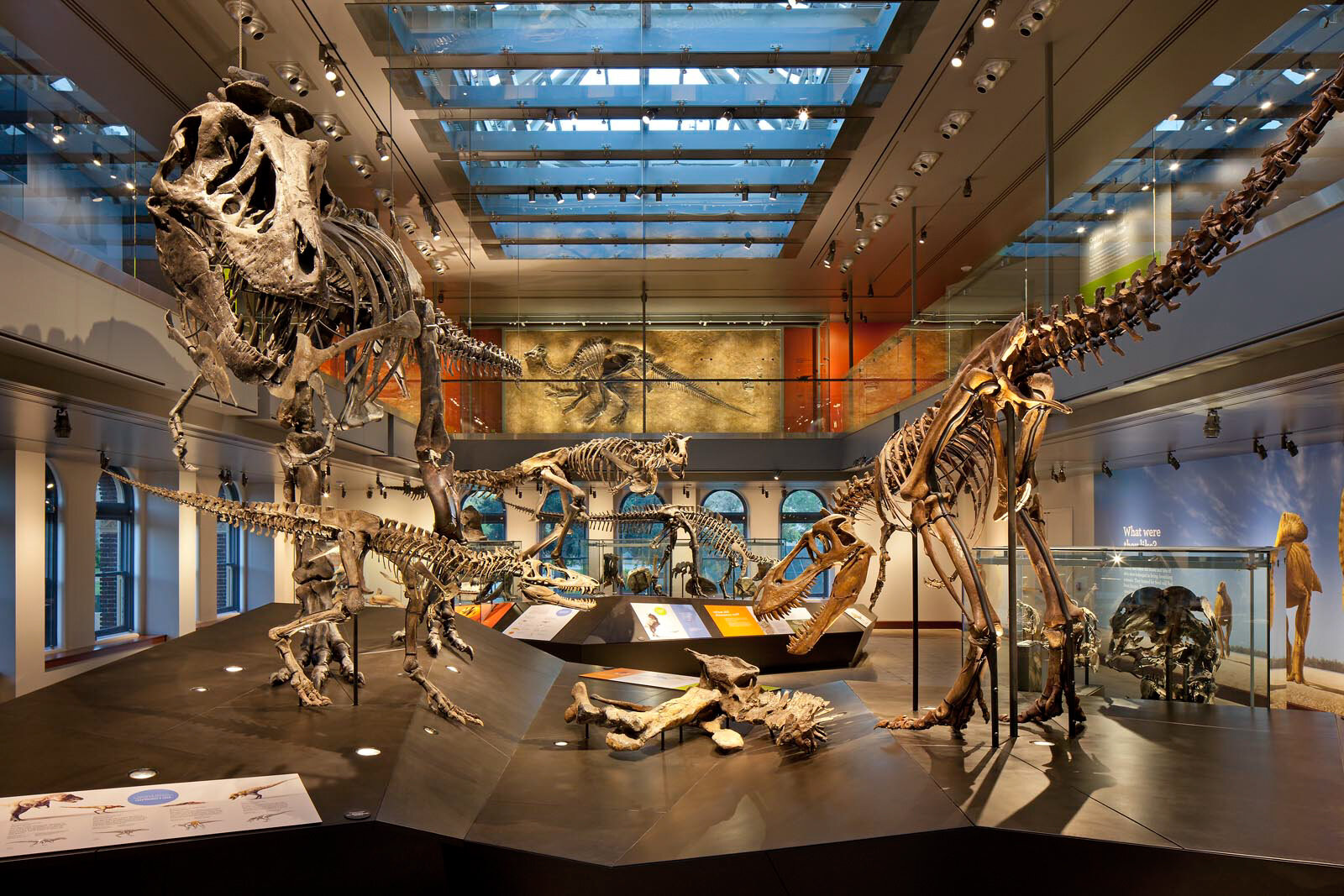
Dinosaur Hall
Natural History Museum of Los Angeles County
Details
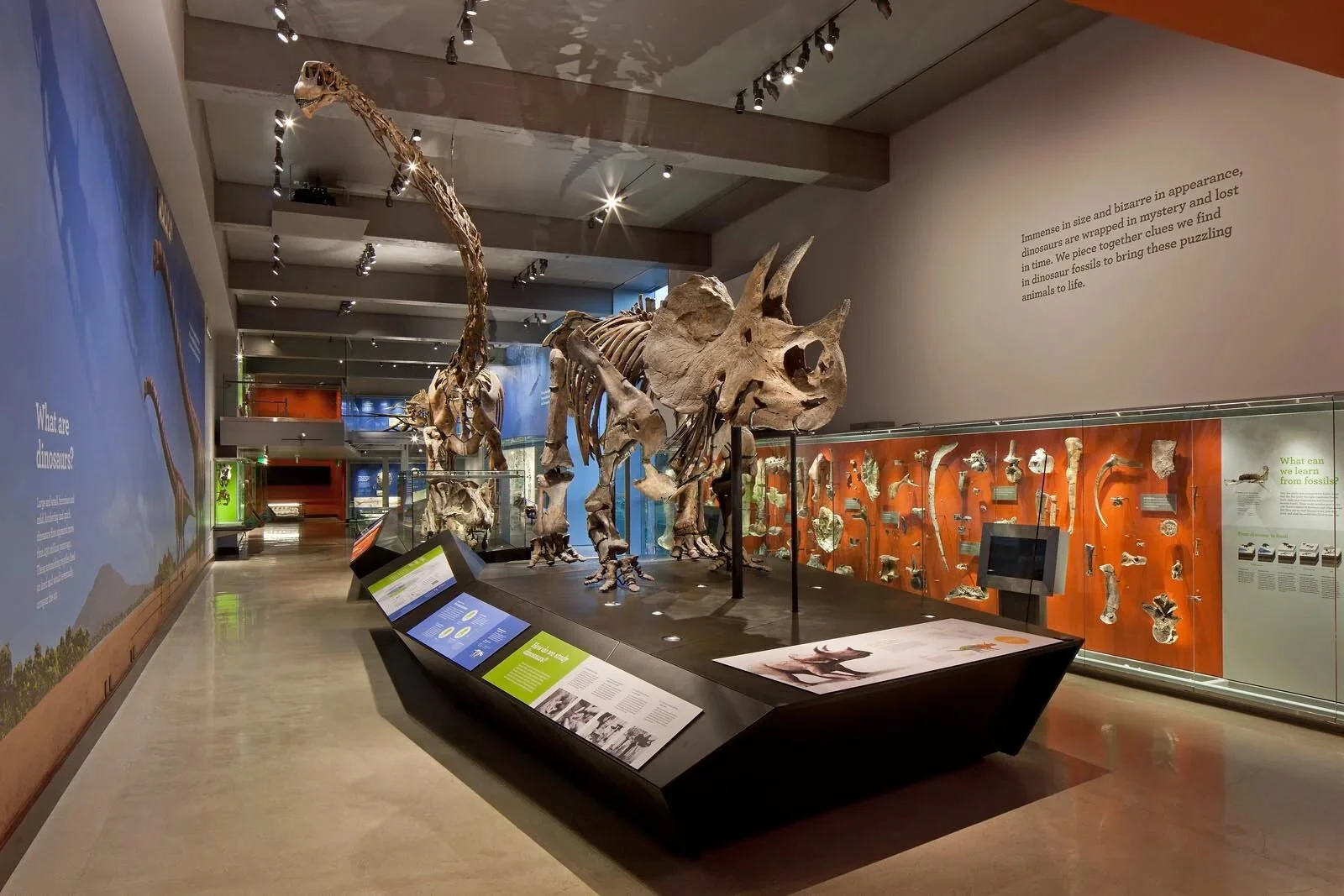
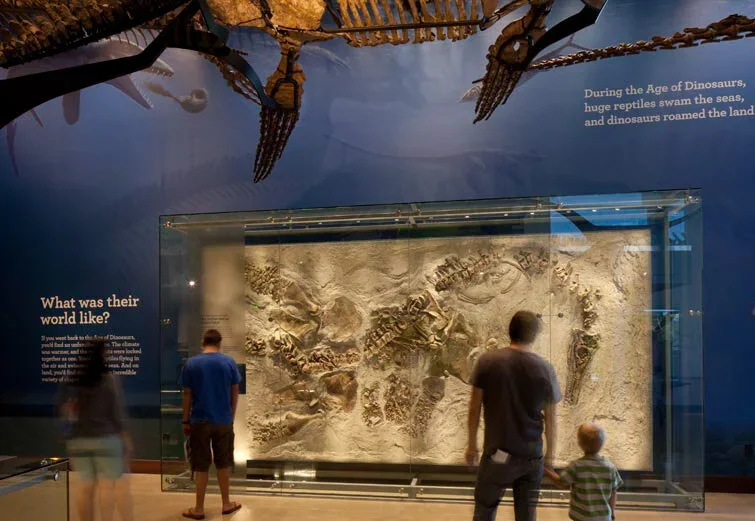
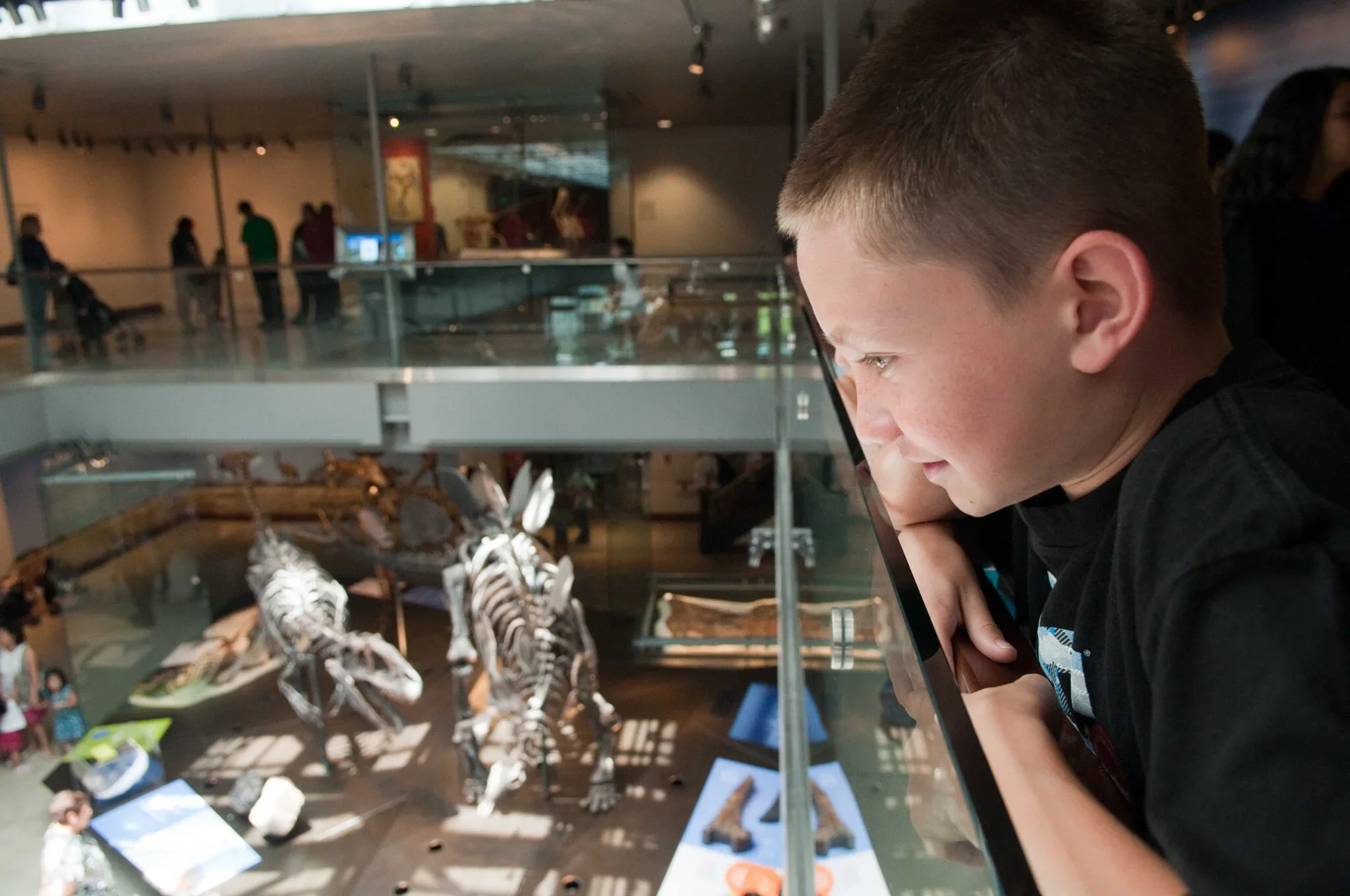
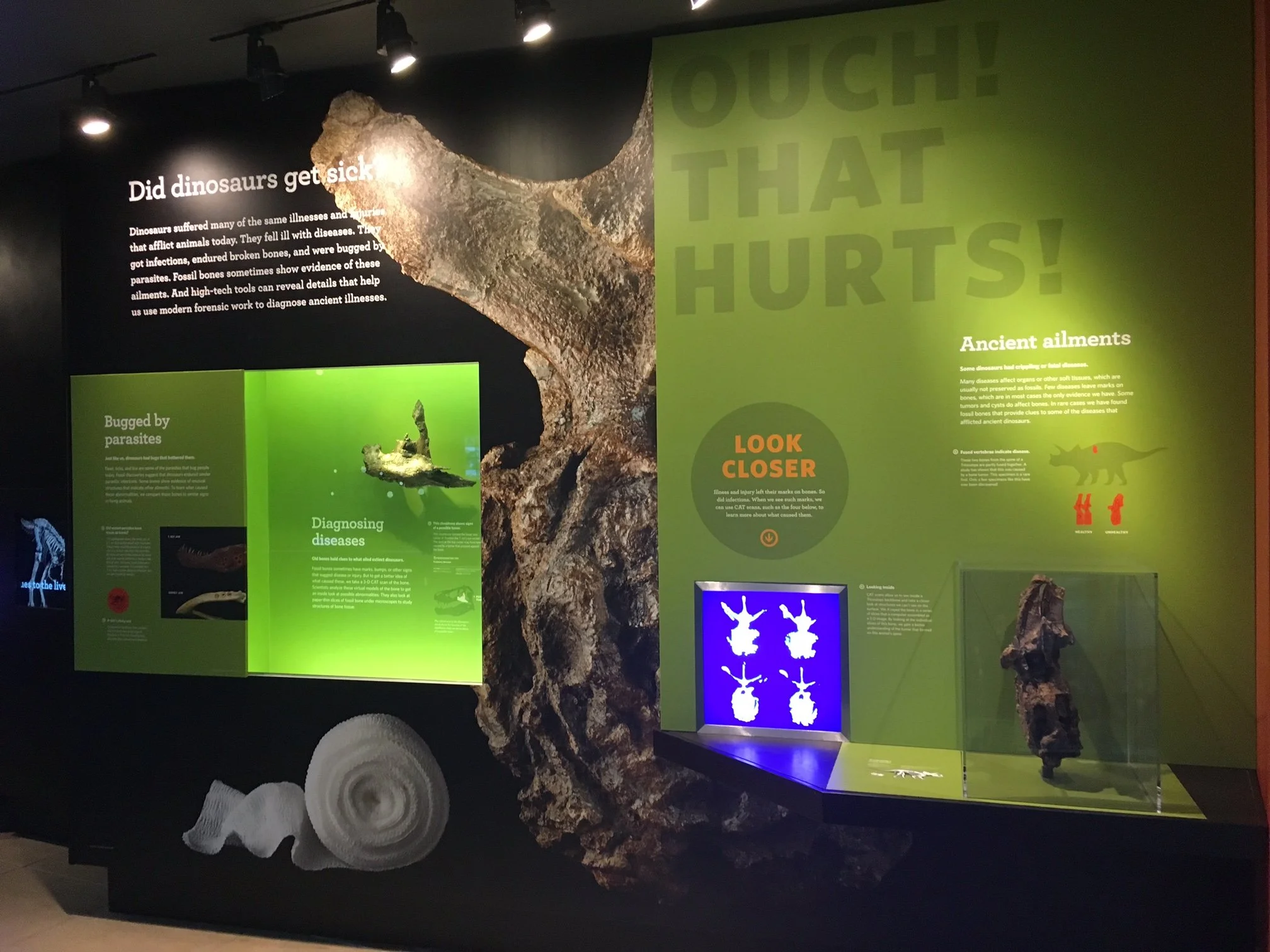
One of the centerpieces of NHM’s site-wide transformation, Dinosaur Hall reimagined the traditional dinosaur gallery from a showcase of spectacular fossils into an exploration of how science works. More than 300 fossils and 20 mounted skeletons—including a rare T. rex growth series—become evidence for investigating the questions that drive paleontology: What is a dinosaur? How did they live, grow, and behave? And what happened to them?
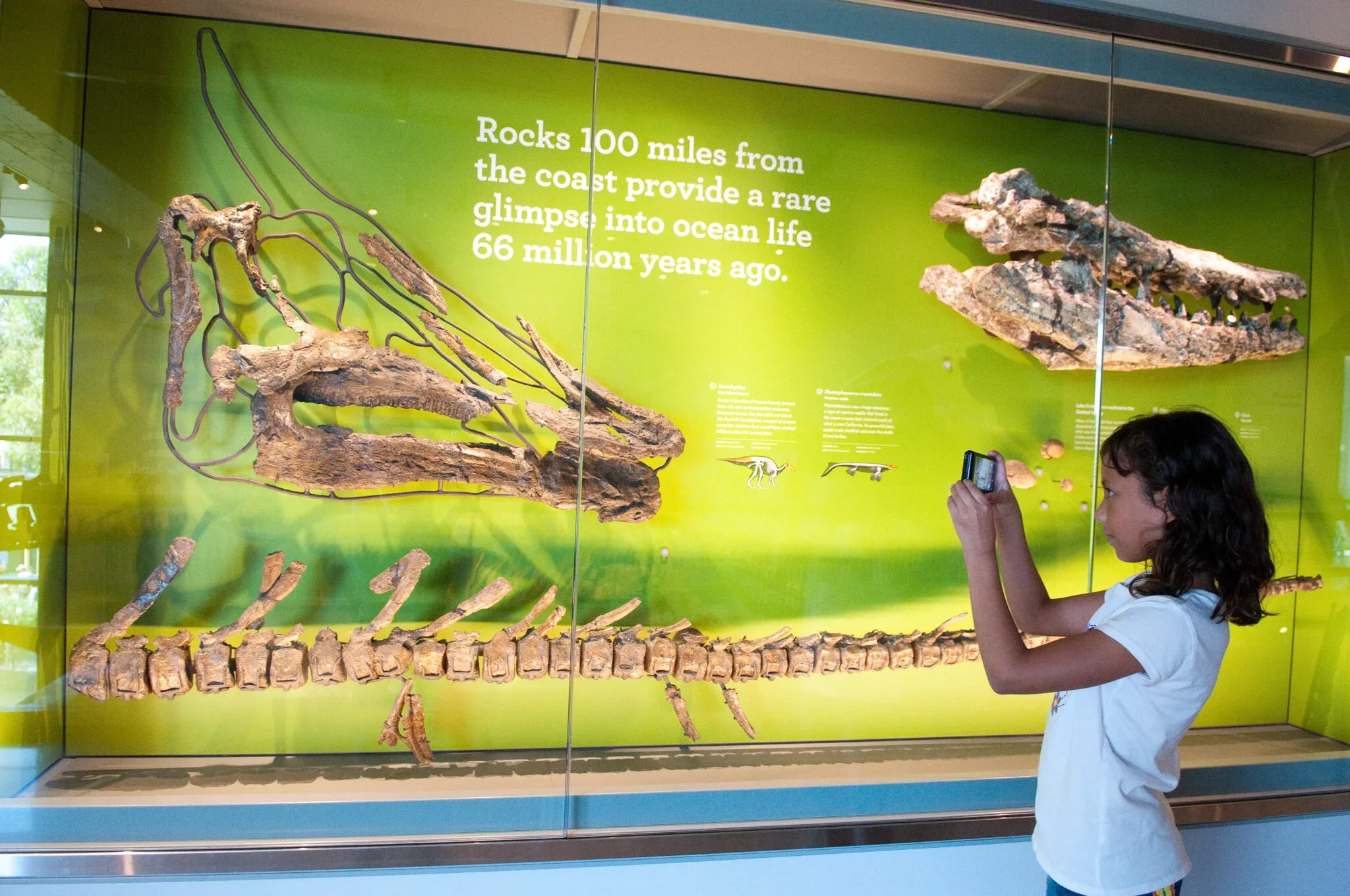
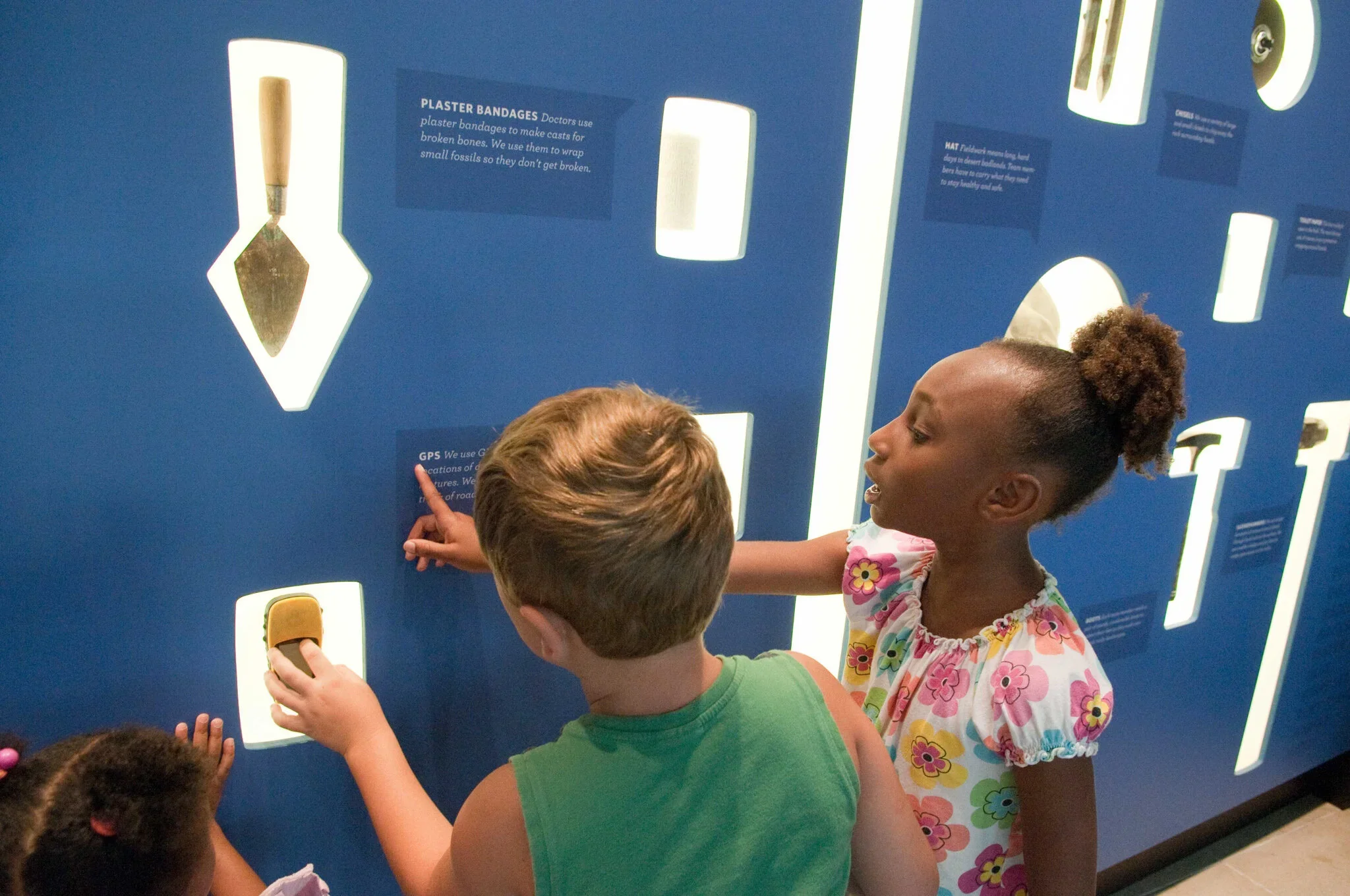
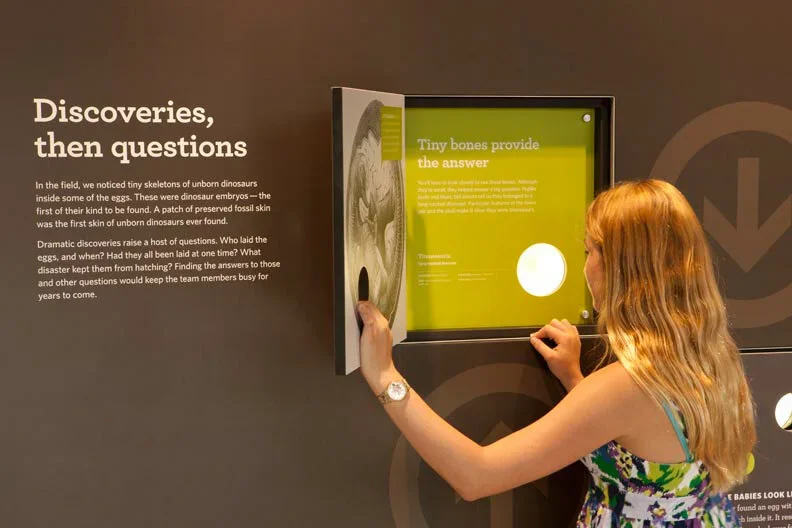
Rather than simply presenting answers, the exhibition invites visitors into the process of scientific discovery. Dramatic specimen mounts, media, hands-on interactives, skeletal comparisons, and layered interpretation encourage visitors to examine evidence, test ideas, and see fossils from multiple perspectives—creating an active, accessible encounter with paleontology and revealing that scientific knowledge is continually evolving.
As Senior Project Manager and Exhibition Developer, I oversaw content, media and interactive development, design, fabrication, and installation, while maintaining alignment among museum leadership, scientists, designers, and project partners. I coordinated a multidisciplinary team of paleontologists, educators, writers, designers, illustrators, exhibit technicians, fabricators, and technical specialists from development through opening.
Project Stats
Client: Natural History Museums of Los Angeles County
Budget: $15M
Size: 14,000 sq ft
Exhibition Design Partner: Evidence Design
Completed: 2011
Awards: AAM Excellence in Exhibition, SEGD Merit Award

Behind the Scenes
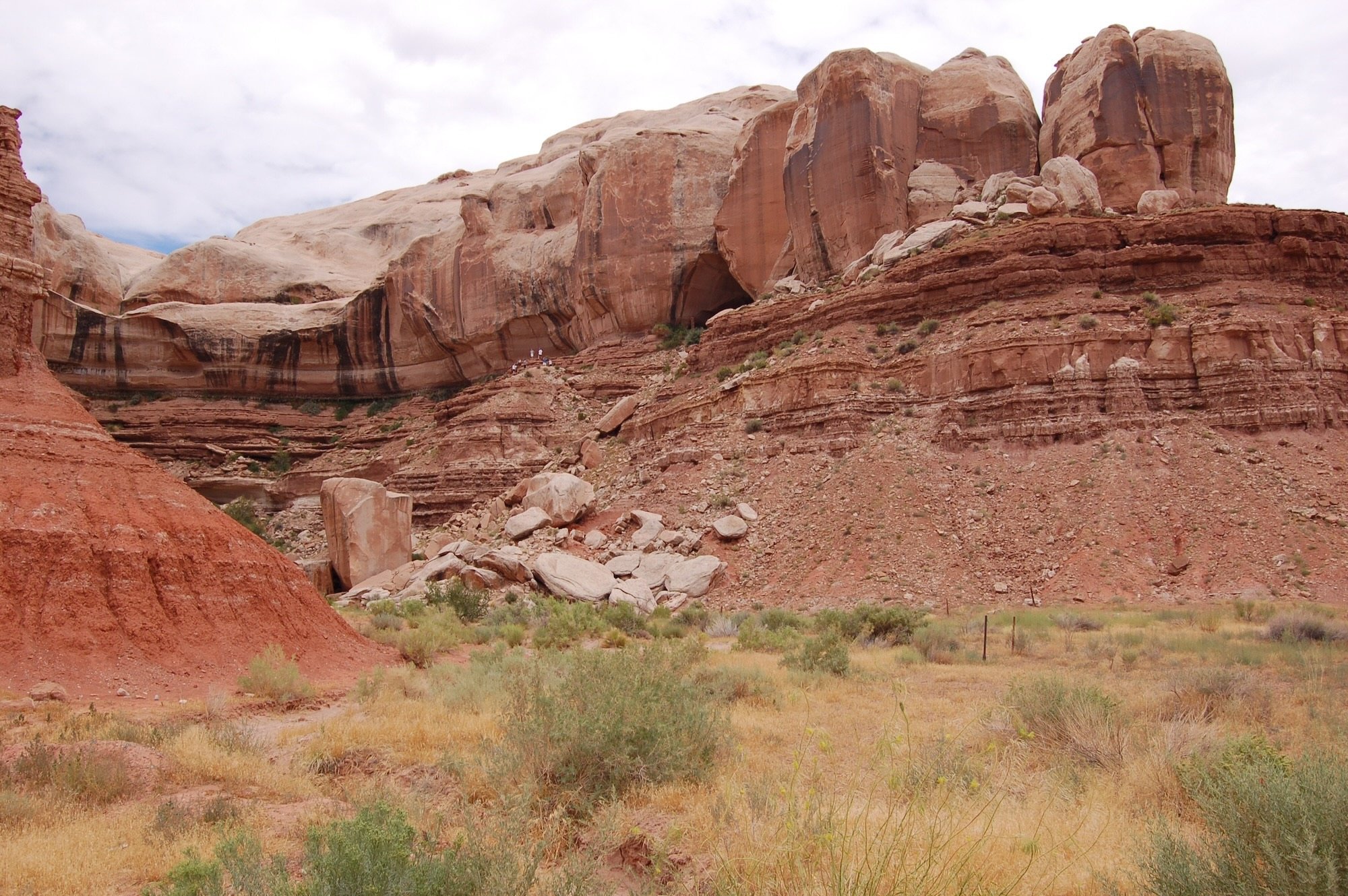
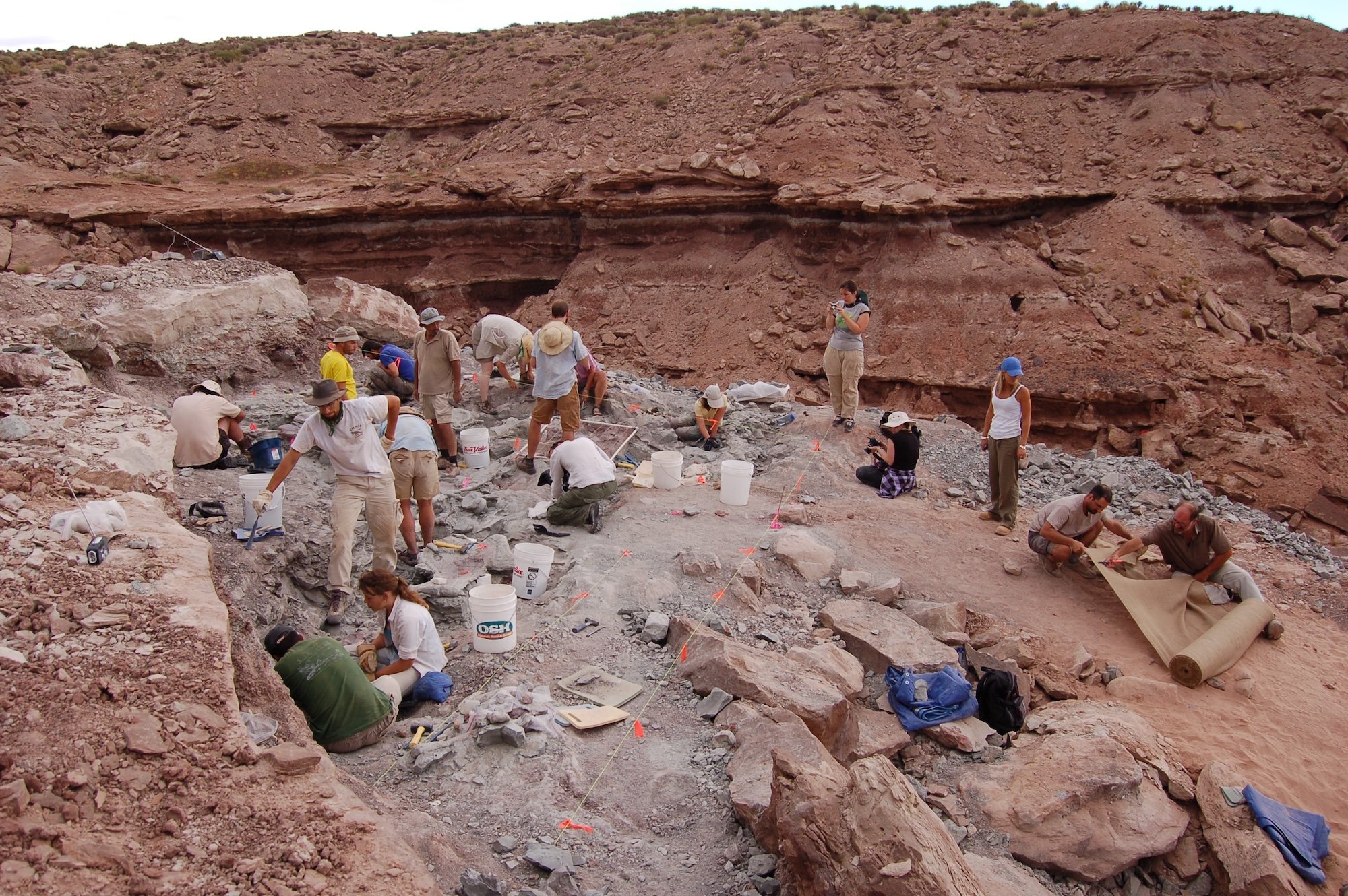
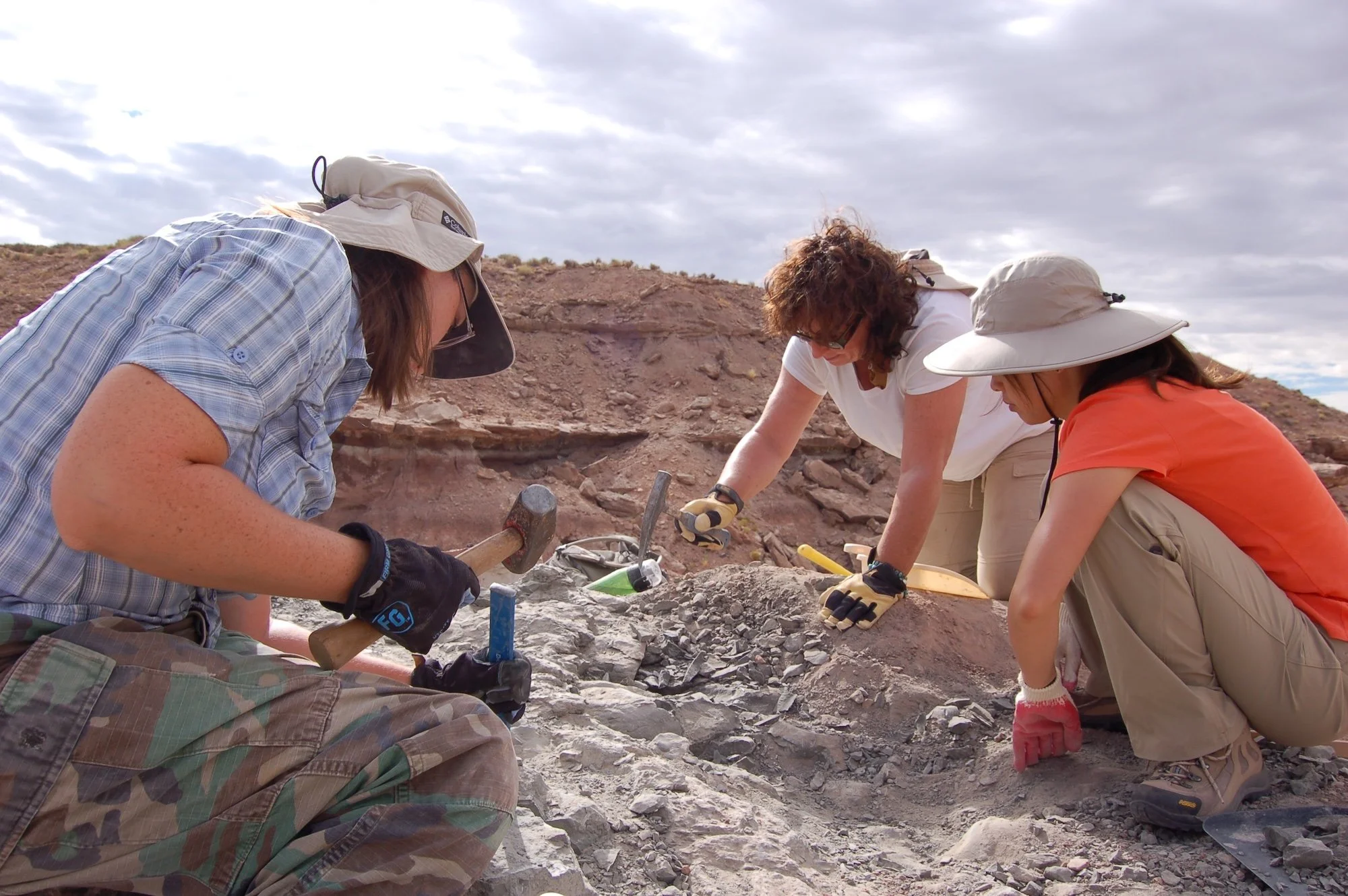
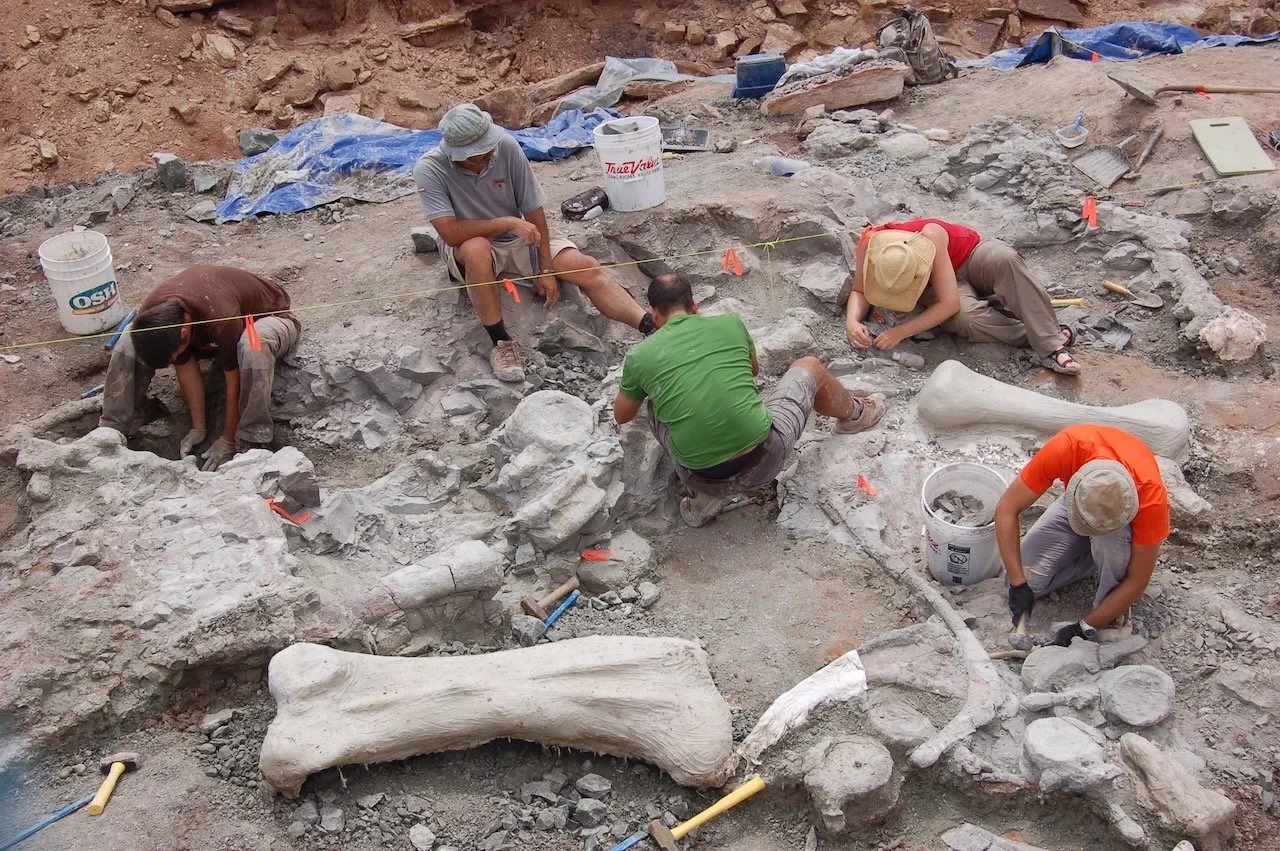
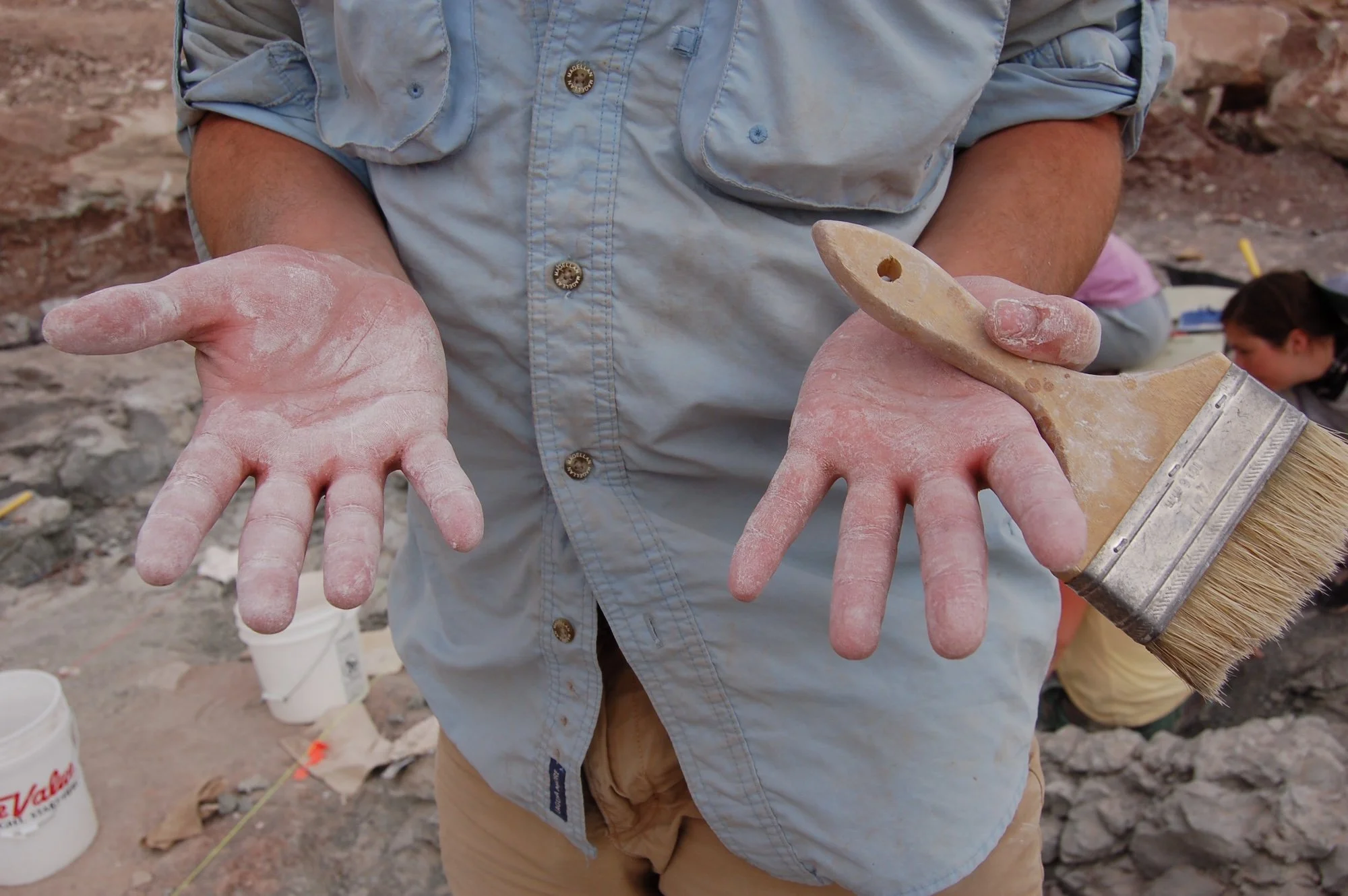
Fieldwork → Fossil Discovery → Excavation in Southern Utah
Words
“Proceed through this hall, and the [inquiry] approach works its wiles: we do not passively peer through glass at formal displays or gaze upward at enormous mounts. Because of the videos, the suggestive text, the display of paleontologists’ tools, the reminders of changing interpretations, and the emphasis on new research, dinosaurs here become part of a contemporary evolutionary process of understanding”
– Ed Rothstein, New York Times